



Wall Street analysts at Bernstein are pointing investors toward overlooked opportunities in the artificial intelligence infrastructure boom, highlighting companies beyond the well-publicized success of Lumentum Holdings. The research firm’s latest analysis identifies multiple pathways for capitalizing on the exponential connectivity demands emerging from AI data centers.
Lumentum’s remarkable stock performance has captured significant attention, but Bernstein’s research suggests the optical components manufacturer represents just one piece of a much larger investment puzzle. The firm’s analysts argue that the AI revolution requires extensive infrastructure buildouts that extend far beyond individual component suppliers.
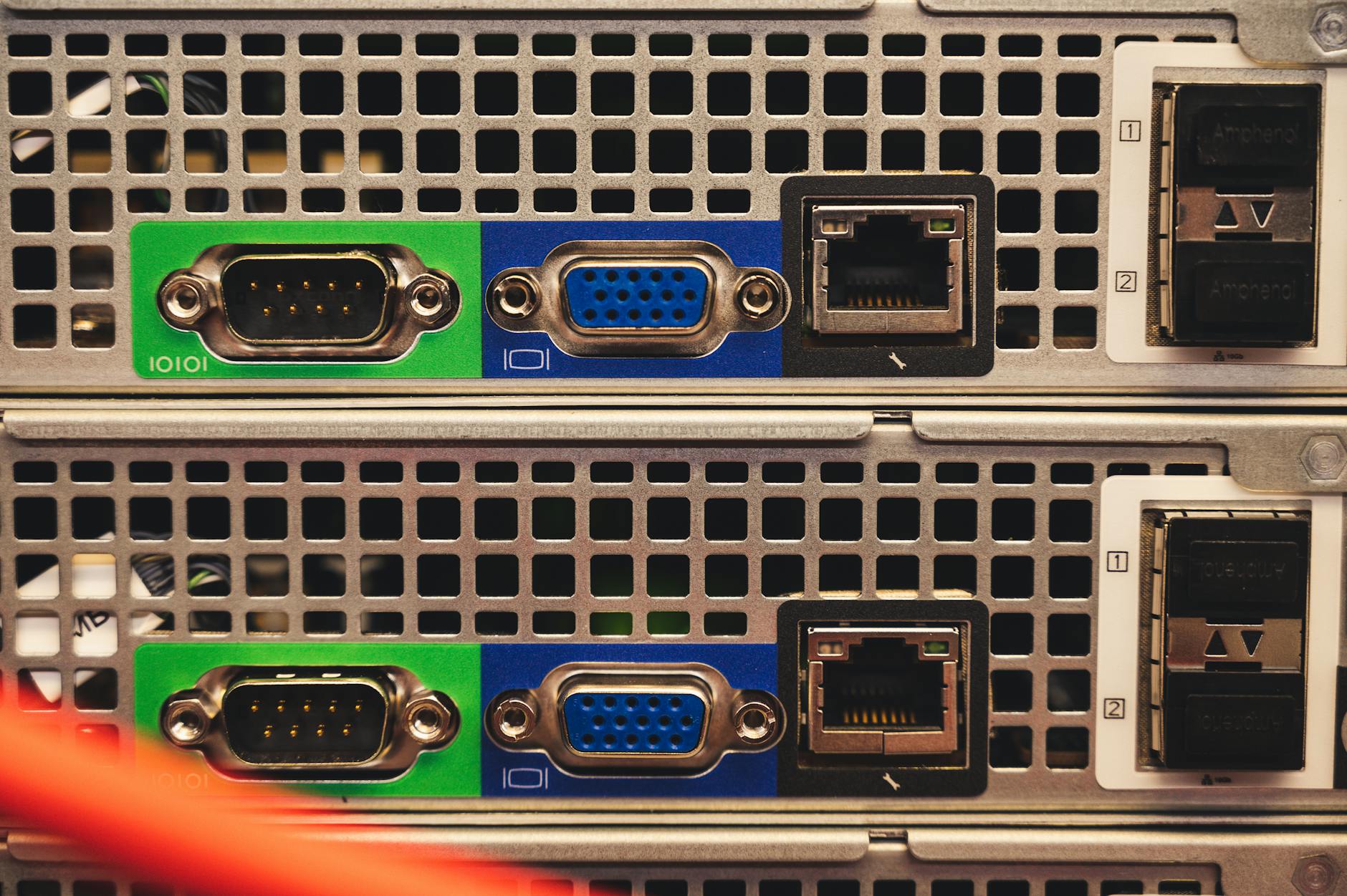
Data Center Connectivity Arms Race Intensifies
AI workloads generate unprecedented data transfer requirements, forcing technology companies to rethink their networking infrastructure entirely. Traditional data center architectures struggle with the bandwidth demands of machine learning training and inference operations, creating opportunities for specialized connectivity solutions.
The computational intensity of large language models and other AI applications requires constant communication between processors, memory systems, and storage arrays. This creates bottlenecks that can only be resolved through advanced optical interconnects, high-speed switches, and specialized networking hardware.
Hidden Winners in AI Infrastructure Build-Out
Bernstein’s analysis reveals several categories of companies positioned to benefit from the AI connectivity boom. Optical transceiver manufacturers, fiber optic cable producers, and networking switch vendors all face increased demand as hyperscale data center operators expand their facilities. These companies often operate with lower profiles than semiconductor giants but maintain strong positions in essential infrastructure markets.
The research firm specifically highlights opportunities in companies that manufacture specialized components for high-frequency trading and telecommunications networks. Many of these firms possess the technical expertise and manufacturing capabilities needed to serve AI data center requirements, yet trade at valuations that don’t reflect their growth potential.
Cable management and power distribution companies also benefit from AI infrastructure expansion. Data centers housing AI workloads consume significantly more electricity per square foot than traditional facilities, requiring upgraded power systems and cooling infrastructure. The physical requirements of dense AI computing create demand for specialized racking systems, cable routing solutions, and thermal management equipment.
Network testing equipment manufacturers represent another overlooked opportunity. AI data centers require constant monitoring and optimization to maintain performance levels, driving demand for sophisticated diagnostic tools and network analysis systems. Companies that provide these testing solutions often maintain strong recurring revenue models through software subscriptions and service contracts.

Market Dynamics Favor Specialized Suppliers
The AI infrastructure market differs fundamentally from consumer technology cycles because of its mission-critical nature and performance requirements. Data center operators cannot compromise on reliability or speed when deploying AI systems, creating pricing power for suppliers that meet stringent specifications.
This dynamic particularly benefits companies with established relationships in enterprise networking markets. Firms that already supply telecommunications carriers and cloud service providers possess the technical certifications and customer relationships needed to capture AI-related demand quickly.
Investment Strategy Considerations
Bernstein’s research emphasizes the importance of identifying companies with sustainable competitive advantages rather than chasing short-term AI momentum. The firm suggests focusing on suppliers with proprietary technologies, strong intellectual property portfolios, or unique manufacturing capabilities that create barriers to entry.
The analysts also warn against overvaluation risks in AI-adjacent stocks. Many companies have seen their valuations increase dramatically based on potential AI exposure rather than demonstrated revenue growth. Successful investing in this space requires careful analysis of actual business fundamentals rather than speculative positioning.
Geographic diversification presents another consideration for AI infrastructure investments. While U.S. companies dominate many technology sectors, European and Asian suppliers maintain strong positions in optical components, cable manufacturing, and specialized networking equipment. The global nature of AI development creates opportunities across multiple markets and regulatory environments.