


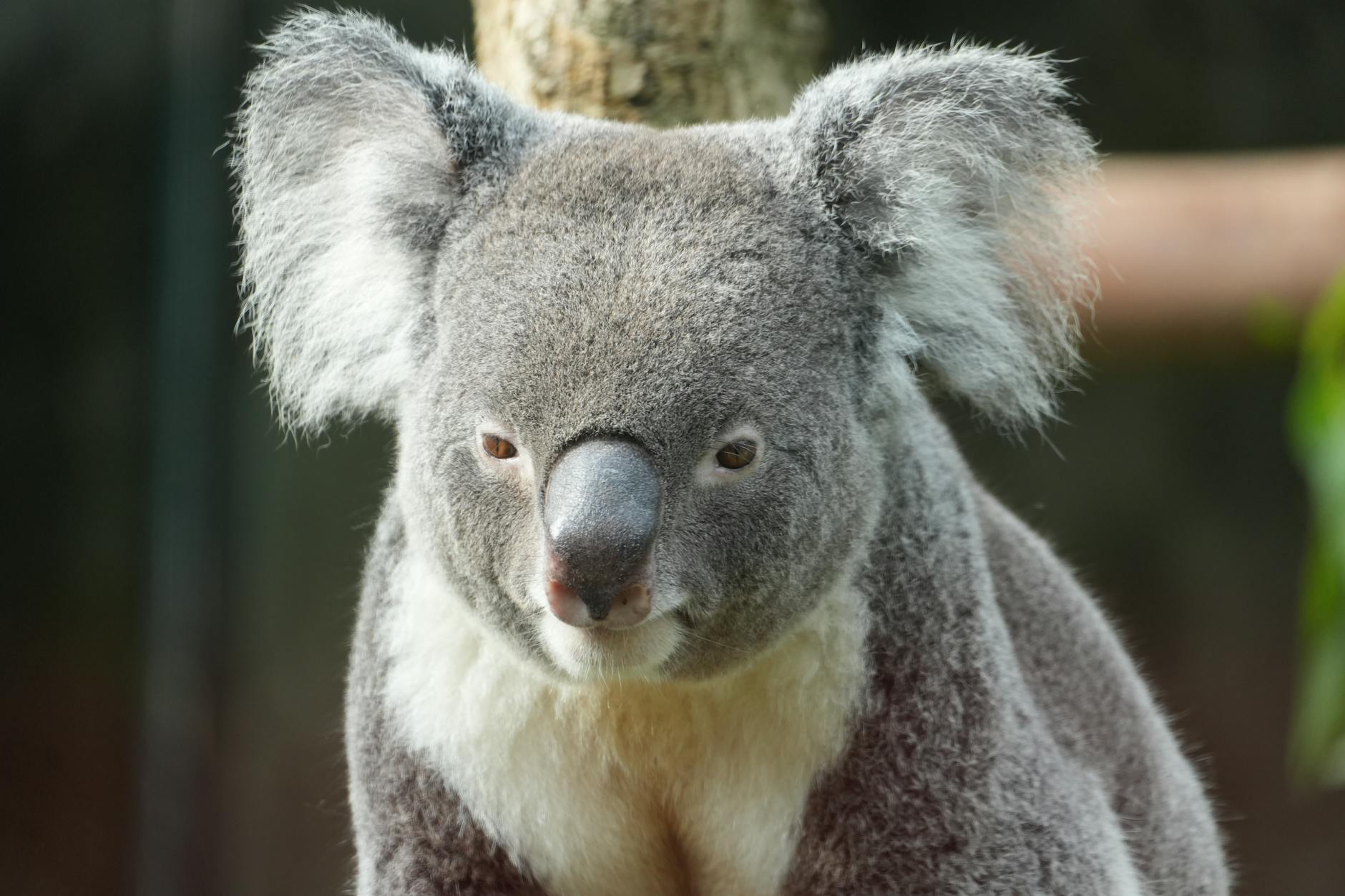
The Palm Beach Zoo’s multi-million dollar bet on koala conservation is delivering measurable returns. The Florida facility reports its first successful koala birth coinciding with the completion of a major habitat renovation project that opens to visitors this Saturday.
The timing represents a calculated win for the zoo’s long-term financial strategy, which has centered on developing premium wildlife experiences to drive higher admission revenues and corporate sponsorships.
Conservation Economics Drive Revenue Growth
Koala exhibits generate significant visitor interest, with Australian wildlife consistently ranking among top zoo attractions nationwide. Industry data shows specialized mammal habitats can increase daily attendance by 15-20% during opening periods, translating to substantial revenue bumps for facilities willing to make the upfront investment.
The Palm Beach Zoo’s renovation project required extensive climate control systems, specialized eucalyptus procurement agreements, and veterinary equipment upgrades. These operational costs create ongoing budget line items that must be offset by increased gate receipts and merchandise sales.
Breeding Programs Create Long-Term Value
Successful breeding represents more than conservation achievement – it signals institutional expertise that attracts research partnerships and grant funding. Facilities with demonstrated breeding success often secure multi-year agreements with universities and wildlife organizations, providing steady supplemental income streams beyond traditional visitor revenue.
The koala birth also positions the zoo for potential participation in Species Survival Plans, which can include cost-sharing arrangements with other accredited facilities. These programs often involve animal loans that reduce acquisition expenses while maintaining genetic diversity goals.
Insurance valuations for healthy breeding koalas can reach six figures, creating tangible asset appreciation on zoo balance sheets. Young animals represent particularly valuable assets, as their longer potential lifespan maximizes return on investment over decades of exhibition and potential breeding contribution.
Veterinary costs for koala programs run substantially higher than standard zoo operations, with specialized diets, regular health monitoring, and emergency medical equipment requirements. The financial commitment extends beyond initial habitat construction into ongoing operational expenses that can strain smaller facility budgets.
Tourism Infrastructure Benefits
The habitat opening arrives as Florida’s tourism industry rebounds from pandemic disruptions, with state attractions reporting increased demand for unique experiences. Koala exhibits serve as differentiating factors in competitive markets, helping facilities command premium pricing and extend average visitor stays.
Corporate partnership opportunities expand significantly with flagship animal programs, as businesses seek high-visibility sponsorship opportunities. The koala program opens doors for naming rights agreements, educational program sponsorships, and exclusive event hosting arrangements that generate revenue beyond traditional admission fees.
Market Positioning and Competition
Few North American facilities maintain koala populations due to regulatory complexities and operational costs, creating market scarcity that enhances visitor draw. The Palm Beach Zoo joins a select group of institutions with breeding capabilities, potentially attracting visitors from across the Southeast region rather than just local markets.
This geographic expansion of the visitor base supports higher marketing spend justification and enables premium pricing strategies typically reserved for destination attractions. Weekend and holiday demand for koala viewing experiences often supports surge pricing models that maximize revenue during peak periods.
The facility’s investment timing coincides with renewed interest in authentic wildlife experiences, as post-pandemic consumers increasingly value educational entertainment over virtual alternatives. Will other regional facilities attempt similar koala acquisitions, or does the operational complexity create a natural barrier to competition?