



Wall Street Climbs While Asia Pulls Back
U.S. stocks pushed to a record after inflation data for July showed measurable improvement, giving investors enough reason to buy into a market that had been waiting on that confirmation. The move upward capped a session where the numbers aligned closely enough with expectations to trigger broad gains across major indexes.
The momentum did not carry across the Pacific. Asian shares fell mostly lower in the sessions that followed, a reminder that a good day in New York does not automatically translate into confidence elsewhere. U.S. futures were little changed during Asian trading hours, suggesting Wall Street was not preparing for a dramatic follow-through in either direction.
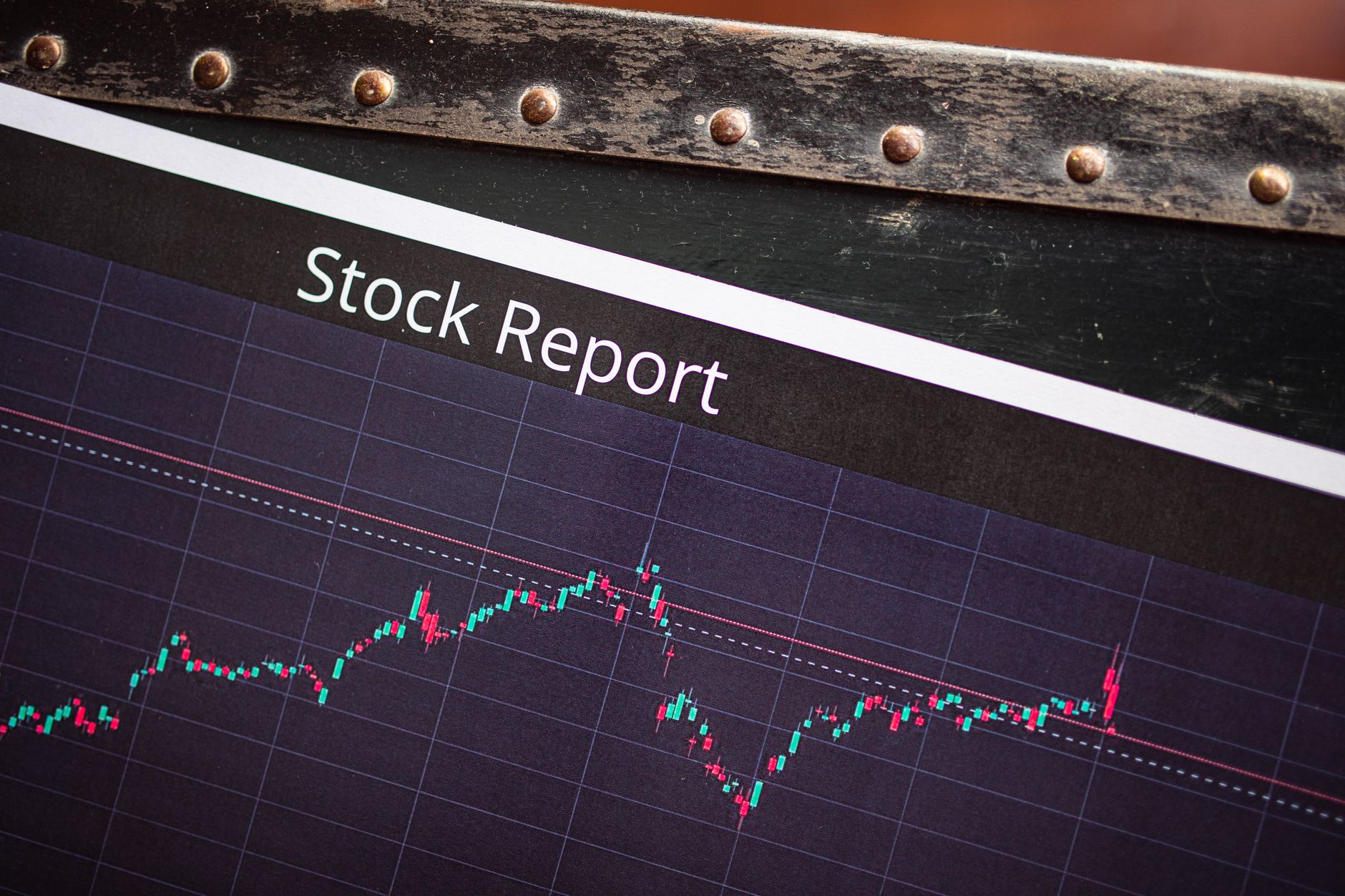
What the Inflation Reading Actually Means
July’s inflation data did not signal that the problem is solved – it signaled that the trajectory is moving in the right direction. That distinction matters. Markets have repeatedly rallied on data that later proved uneven, and traders are now more careful about how much weight they put on a single month’s reading.
Still, improvement is improvement. When inflation prints come in favorably, they reduce pressure on the Federal Reserve to hold rates higher for longer, which tends to make equities more attractive relative to fixed income. That dynamic played out in real time as U.S. stocks climbed to a record, reflecting a market that sees easing inflation as a path toward eventual rate relief.
The relationship between inflation data and stock prices has become tighter over the past two years than it was in the decade before. Every Consumer Price Index release now functions almost like an earnings report for the broader market – either you beat expectations and stocks move up, or you miss and investors reassess. July’s reading landed on the right side of that threshold.
What remains less clear is whether the improvement in July reflects a durable shift or a temporary dip. Energy prices, which can move sharply and unpredictably, often distort monthly inflation figures. If underlying core pressures remain sticky, one favorable month changes the mood without changing the structural picture.

Asia’s Separate Calculation
The decline across most Asian markets points to a different set of concerns operating independently of whatever optimism lifted Wall Street. Regional economies face their own inflation dynamics, currency pressures, and export conditions that don’t move in sync with U.S. data releases. A favorable July inflation print in the United States is relevant to Asian markets only insofar as it affects the dollar, U.S. consumer demand, and global risk appetite – and those effects take time to filter through. Investors in Tokyo, Seoul, and Hong Kong are not simply reading the same headlines with a time delay; they are pricing in entirely different variables, and on this particular day, those variables pointed lower. South Korea’s Kospi has shown how quickly sentiment can swing in the region, making the current softness worth watching without over-interpreting.
The fact that U.S. futures were little changed during Asian hours suggests that, for now, Wall Street is not reacting to Asia’s pullback with alarm. Little-changed futures after a record close is roughly what you would expect – markets consolidating rather than reversing.
Records and What They Don’t Guarantee
When U.S. stocks hit a record, the headline tends to crowd out everything else. But a record close is a price level, not a promise. It tells you where buyers and sellers agreed to transact on a given day, and it reflects the cumulative weight of millions of decisions made with incomplete information about what comes next.
The current record comes against a backdrop that still includes elevated interest rates, a labor market showing some signs of softening, and geopolitical uncertainty that has not disappeared simply because inflation improved in July. Investors are choosing to weight the inflation improvement more heavily than those countervailing factors – at least for now.

That prioritization can shift quickly. If August’s inflation data reverses course, or if the Federal Reserve signals that it sees July’s improvement as insufficient grounds for cutting rates, the calculus changes. A record set on favorable data is only as durable as the next data point that either confirms or undermines it.
Asian markets declining while U.S. futures sit unchanged after a record session is a quiet kind of divergence – not a crisis, not a signal of imminent reversal, but a gap between regional sentiment and American optimism that has been widening and narrowing throughout this cycle. The question sitting underneath all of it is whether July’s inflation improvement holds in August, or whether the number that sent stocks to a record turns out to be the outlier rather than the trend.