



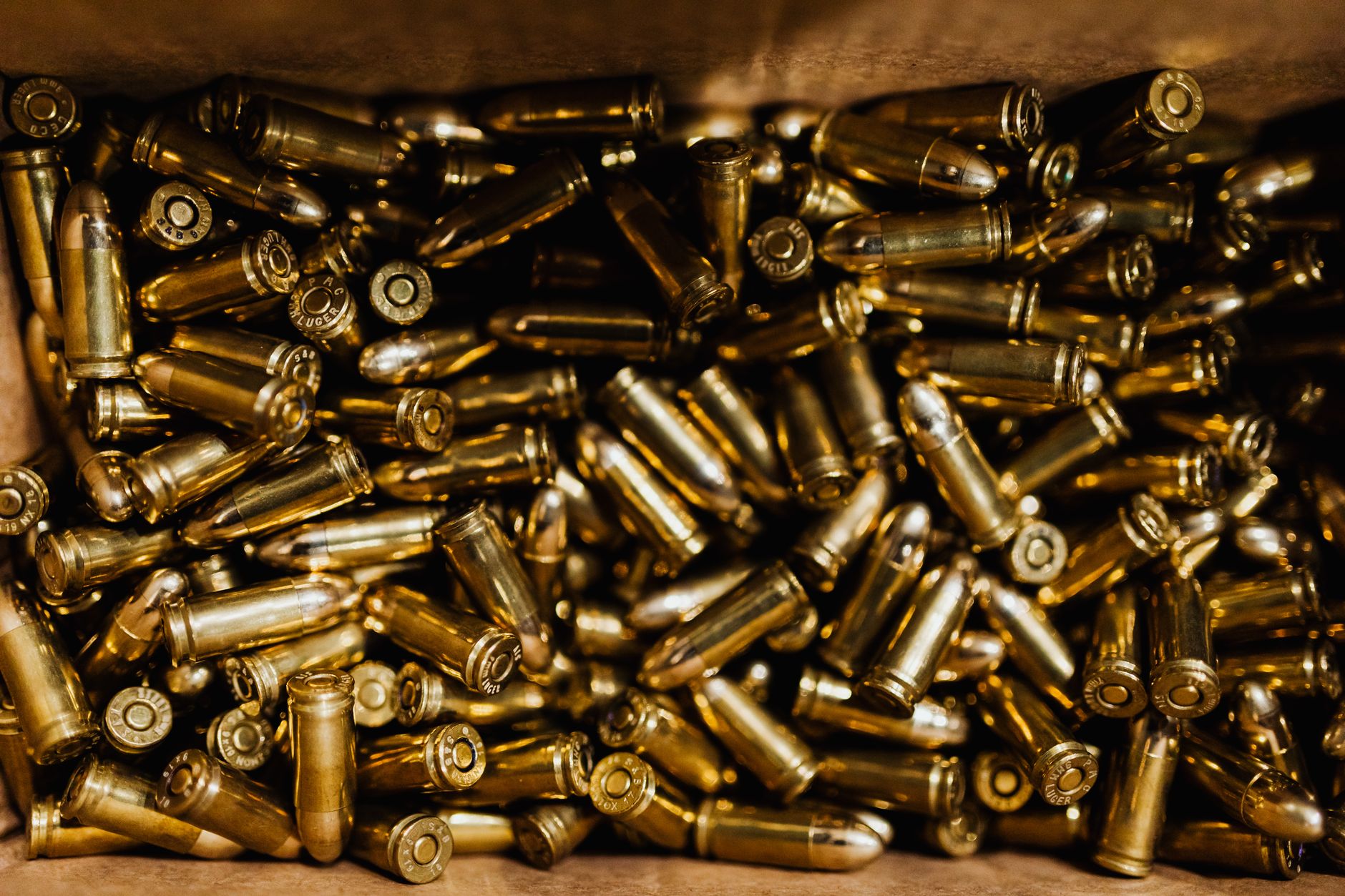
Hung Cao, the acting Navy secretary, told senators that the service recoded munitions he described as expired and then used them in the Iran war.

What Cao Told the Senate
The admission came at Cao’s confirmation hearing, where senators pressed him on two subjects: what the Iran war is costing and how the conflict is affecting the health of sailors. His comments on munitions landed inside that larger line of questioning. They came as the war strains both weapons stocks and naval deployments.
The word “expired” was Cao’s own. That matters, because a nominee describing inventory that way, under questioning and on the record, is different from an outside analyst inferring it from budget documents.
Many details are missing from the account of the hearing. It does not say how many munitions were recoded, which types were involved, or how long past their dates they were when fired. It also does not explain what recoding meant in practice. The term points to an administrative step, a change in how items are labeled or tracked in inventory, rather than a physical refurbishment. Without more detail, it is hard to tell a routine reassessment of shelf life from a stopgap forced by shortages.
Confirmation hearings produce testimony that becomes part of the permanent record, and members of the committee can come back to it. Cao is acting secretary, so the Senate is weighing whether to make him the permanent head of a service that is already running the war he is being asked to oversee.
Stockpiles, Deployments and the Cost Ledger
Munitions are consumable. Every missile or round fired in a sustained conflict has to be replaced through contracts that take time to award, build and deliver. When consumption outruns that cycle, a military has a short list of options: slow its rate of fire, pull stock from other theaters, or stretch what is on the shelf. Using items that have passed their labeled dates falls into the third category.
Cao’s testimony suggests the Navy has reached at least part of the way down that list. It does not show how far. The Navy has not said, in the hearing account, whether the recoded munitions were a small share of what was used or a meaningful one. That gap is the first thing a budget committee would want to close, since it determines whether this is a footnote or a warning about the depth of the stockpile.
Deployments add a second pressure. Ships kept at sea for the war cannot be rotated home on a normal schedule, and the people aboard carry the load. Senators raised sailor health in the hearing, which ties the personnel question to the same strain showing up in weapons stocks. A fleet stretched thin tends to show it in several places at once: ammunition, maintenance time and the condition of crews.
The cost question has a commercial side as well. Replacing used weapons means orders to defense manufacturers, and a war that burns through inventory creates demand that Congress has to fund. Senators asking about war costs are asking, in effect, how large that bill is and who will pay it. The hearing coverage offers no figure, so the size of the ledger remains an open question.
There is also a gap between what a war costs on paper and what it costs in readiness. Money can be appropriated quickly. Production lines, trained workers and lead times cannot. If the Navy is already recoding expired stock to keep operations going, the constraint it faces is more likely to be how fast new weapons can be built than how much has been budgeted.
Questions Still Open
The next steps run through the Senate. Members who pressed Cao on costs and sailor health can ask for the inventory data behind his statement, including how many munitions were recoded and what testing, if any, supported using them. Those answers would show whether the practice was a controlled decision or a symptom of shortage.

Cao’s confirmation still awaits a vote, and the war continues to draw down stocks while it runs. If expired munitions are already being recoded and fired, how many months of supply does the Navy have left before that option runs out too?