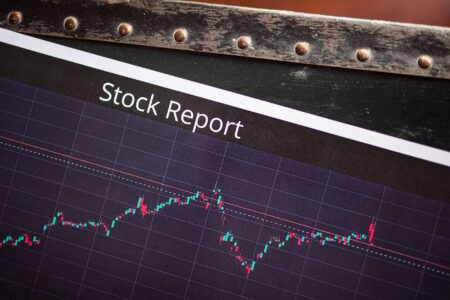



Wall Street’s record-breaking performance ran headlong into geopolitical anxiety across Asian trading floors Monday, creating a patchwork of gains and losses that highlighted competing forces in global markets.
The collision between American optimism and Middle Eastern tensions produced choppy trading from Tokyo to Hong Kong.
Investors found themselves weighing the momentum from U.S. markets against mounting concerns over oil price spikes and questions about artificial intelligence valuations that have driven much of this year’s rally.
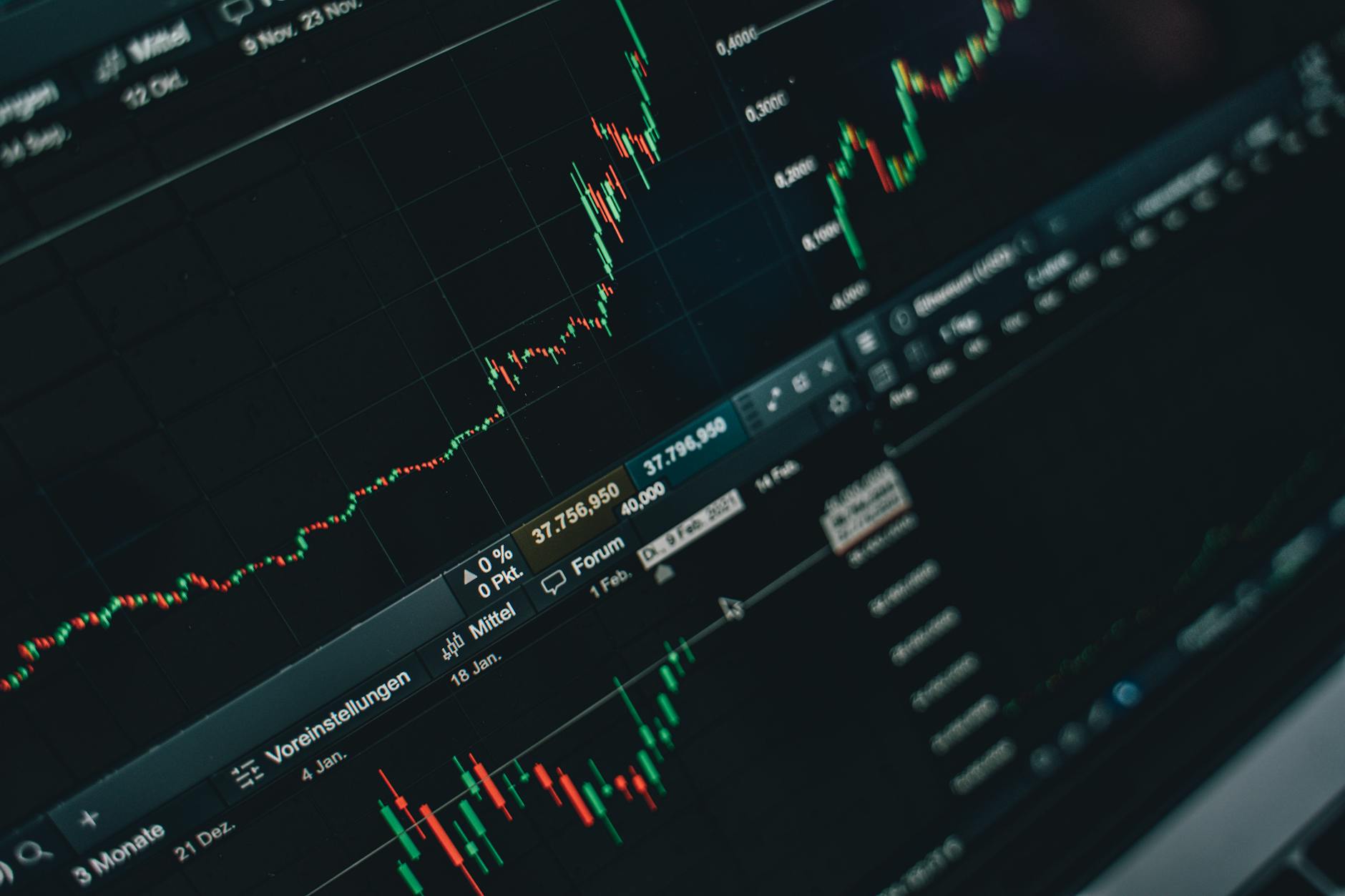
Geopolitical Tremors Shake Energy Markets
Iran’s escalating conflict with regional adversaries sent crude oil futures climbing, adding pressure to markets already grappling with supply chain disruptions and inflationary concerns. Energy-dependent Asian economies felt the immediate impact as traders priced in potential supply shortages and higher transportation costs. The oil surge created an interesting dynamic where energy stocks gained ground while consumer-focused sectors retreated on margin compression fears.
Currency markets reflected the uncertainty as investors moved toward safe-haven assets.
The yen strengthened against most major currencies while emerging market currencies showed weakness, particularly those tied to oil-importing economies. Central banks across the region now face renewed pressure to balance growth support with inflation control as energy costs threaten to reignite price pressures that had been moderating in recent months. Rising borrowing costs compound the challenge for policymakers already walking a tightrope between economic stimulus and price stability.

Technology Sector Faces Reality Check
Asian technology stocks struggled to match Wall Street’s enthusiasm as investors questioned whether artificial intelligence investments can sustain their astronomical valuations. Semiconductor manufacturers and software companies that had ridden the AI wave to massive gains this year found themselves under scrutiny from analysts demanding concrete revenue growth rather than promises of future transformation. The divergence between American and Asian tech performance suggests regional investors are taking a more cautious approach to AI-related investments.
Manufacturing data from several Asian economies showed mixed signals about technology demand.
While orders for advanced chips remained strong, traditional electronics manufacturing appeared to be cooling as consumers pulled back on discretionary spending. This split in the technology sector created confusion among investors trying to gauge whether the current AI boom represents sustainable growth or speculative excess that could unwind rapidly. Companies with diversified revenue streams performed better than those heavily dependent on AI-related products, suggesting markets are beginning to differentiate between genuine innovation and hype-driven investments.
Trading volumes remained elevated across major Asian exchanges as institutional investors repositioned portfolios ahead of key economic data releases scheduled for later this week. The mixed performance reflected deeper uncertainty about whether recent Wall Street gains can be sustained amid growing geopolitical risks and questions about technology sector fundamentals.

Chinese markets showed particular sensitivity to the combination of oil price volatility and AI sector concerns, with the Shanghai Composite oscillating between gains and losses throughout the trading session as investors parsed conflicting signals from domestic policy announcements and international market developments.