



The World Health Organization confirmed Tuesday that hantavirus infections from a contaminated cruise vessel have reached 11 cases, marking one of the largest documented outbreaks of the rodent-borne disease in maritime travel. Spain’s health ministry announced that a Spanish passenger evacuated from the cruise ship Hondius tested positive for the virus, adding to the growing tally of confirmed infections.
The outbreak threatens to disrupt the recovering cruise industry’s carefully managed return to profitability following pandemic-era losses. Insurance claims and potential litigation from passengers could cost operators millions, while health screening protocols may require expensive overhauls across fleets worldwide.
Outbreak Origins and Spread Pattern
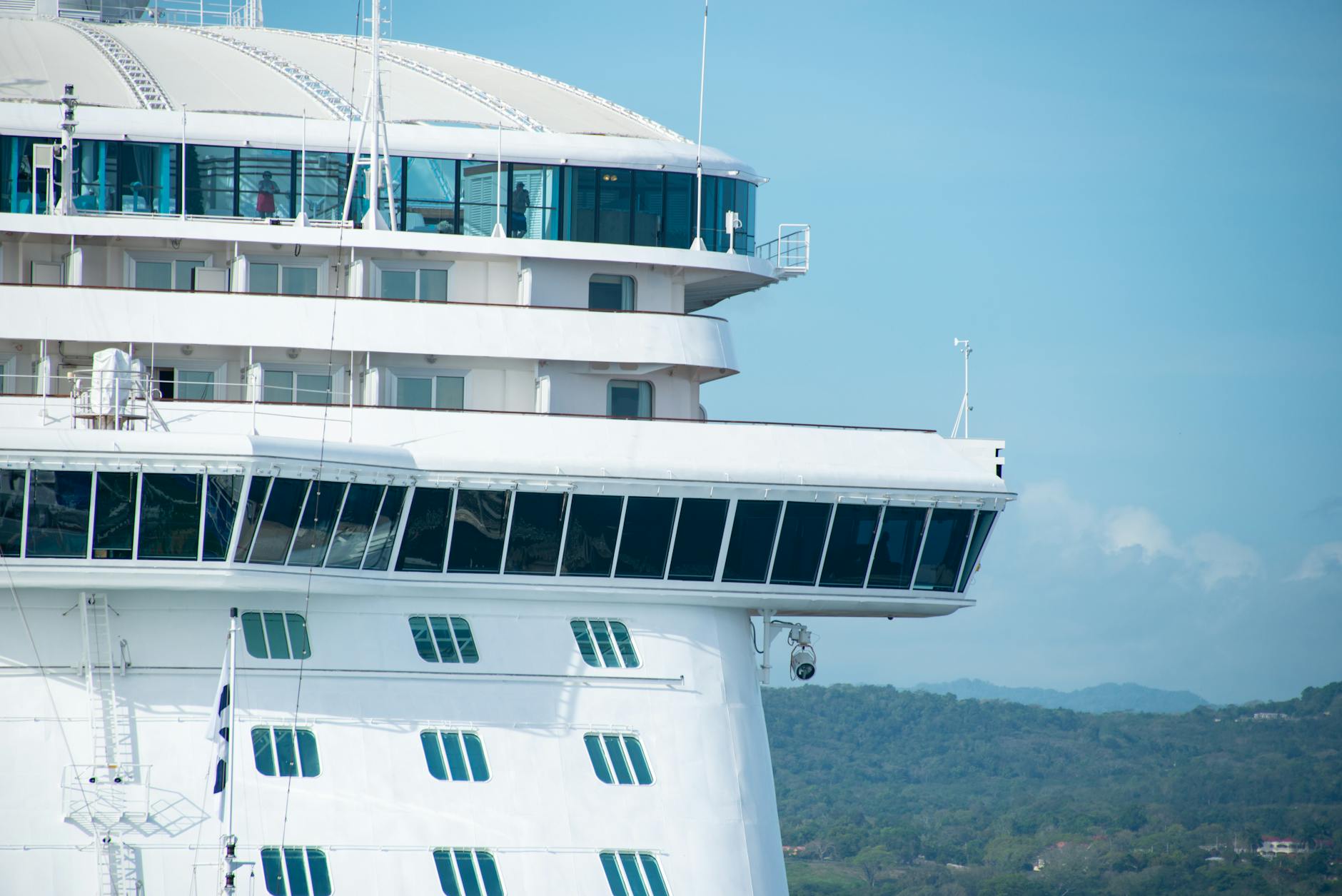
Health investigators traced the initial exposure to the Hondius during its Antarctic expedition voyage, where passengers likely encountered contaminated rodent droppings in sleeping quarters or common areas. The virus spreads through airborne particles when dried rodent waste becomes disturbed, creating an invisible threat in the ship’s enclosed environment.
Medical teams evacuated the Spanish passenger to specialized treatment facilities after symptoms appeared during the voyage’s later stages. Hantavirus typically presents with fever, muscle aches, and respiratory distress that can progress to life-threatening complications within days. Early detection and supportive care remain the primary treatment options, as no specific antiviral medications exist for the infection.
The confirmed cases span multiple nationalities among the ship’s passenger manifest, suggesting widespread environmental contamination rather than person-to-person transmission. Hantavirus does not spread between humans under normal circumstances, pointing to a common source of exposure throughout the vessel’s interior spaces. Oceanwide Expeditions, the cruise operator, launched immediate decontamination procedures while coordinating with international health authorities.
Industry Impact and Financial Consequences
Cruise operators face mounting pressure to implement comprehensive pest control measures that could add substantial costs to vessel maintenance budgets. The industry already operates under thin profit margins as companies work to recover pandemic-related debt loads and rebuild passenger confidence.
Stock prices for major cruise lines showed initial volatility following the outbreak announcement, though the impact remained limited to expedition cruise operators rather than mass-market brands. Specialty cruise segments targeting adventure travelers may see booking cancellations as passengers reassess health risks associated with remote destinations and extended voyages.
Regulatory Response and Prevention Measures
Maritime health authorities are reviewing sanitation protocols for ships operating in polar regions, where rodent populations can access vessels during port calls or supply loading. The remote nature of Antarctic cruising complicates medical evacuations and emergency response, making prevention measures essential for operator liability management.
Port authorities in Argentina and Chile, common departure points for Antarctic expeditions, may implement enhanced vessel inspections before allowing cruise ships to embark passengers. These requirements could delay sailing schedules and increase operational costs for expedition cruise companies already facing seasonal booking pressures.
Insurance underwriters are examining policy language covering infectious disease outbreaks to determine coverage limits for medical evacuations, passenger compensation, and vessel decontamination expenses. The specialized nature of expedition cruising means fewer insurance options and potentially higher premiums for operators in this niche market segment.
Health officials continue monitoring remaining passengers and crew members from the Hondius voyage, with several individuals under observation for potential symptoms. The 11 confirmed cases represent the largest hantavirus cluster linked to cruise travel in recent maritime health records, raising questions about whether current sanitation standards adequately address rodent-borne disease risks in expedition environments.