



President Donald Trump departs for Beijing Tuesday to meet with President Xi Jinping, despite weeks of failed attempts to convince China to pressure Iran into accepting U.S. conditions. The high-stakes diplomatic encounter will test whether economic cooperation can survive mounting geopolitical tensions.
Trump’s administration has spent considerable effort trying to persuade Beijing to leverage its substantial influence over Tehran, but Chinese officials have shown little appetite for the role.
Both leaders appear determined to prevent their Iran disagreement from derailing broader discussions on trade and regional stability.

China Resists Pressure Campaign
The White House has consistently argued that China holds unique sway over Iran’s decision-making process, given Beijing’s position as Tehran’s largest trading partner and primary source of sanctions relief. American officials believe Chinese pressure could force Iran to negotiate on nuclear restrictions and regional military activities. However, Beijing has maintained its traditional stance of non-interference in other nations’ domestic policies, particularly when those policies align with Chinese strategic interests.
China’s reluctance stems partly from its own energy security needs and longstanding relationships in the Middle East. Iranian oil remains important to Chinese refiners, even under international sanctions, and Beijing views American pressure tactics as attempts to dictate Chinese foreign policy. Trade flows between China and Iran have continued through various channels despite U.S. restrictions.
Intelligence assessments suggest Chinese leadership sees little benefit in antagonizing Iran to satisfy American demands. Beijing prefers diplomatic solutions that don’t require choosing sides in Middle Eastern conflicts, especially when those conflicts could disrupt Chinese Belt and Road Initiative projects across the region.
Economic Stakes Override Political Tensions
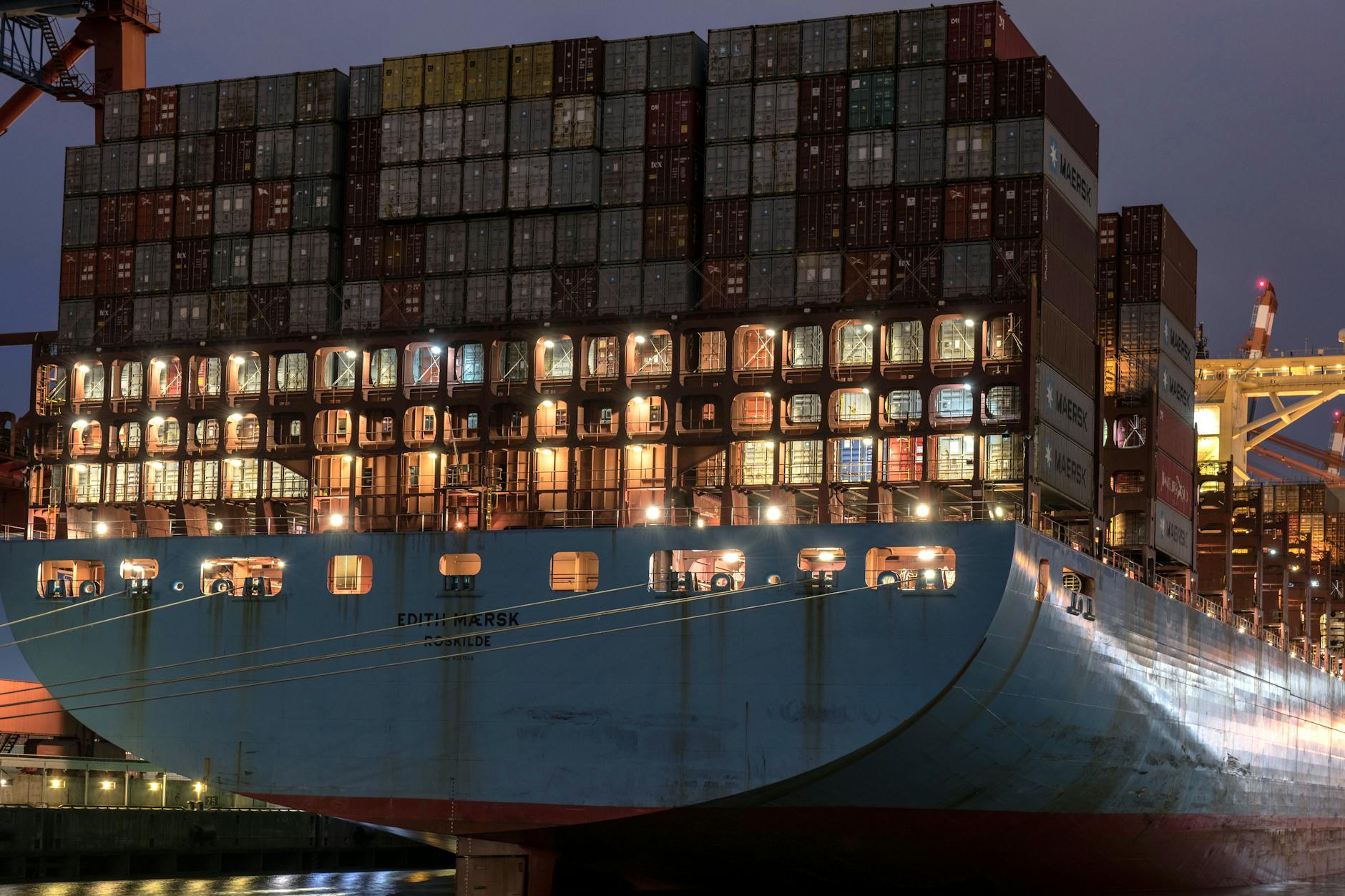
The summit timing reflects both leaders’ recognition that economic interests outweigh their Iran disagreement. Bilateral trade volumes have reached record levels despite ongoing disputes over technology transfer, intellectual property, and market access. American agricultural exports to China have surged following previous agreements, while Chinese manufacturing continues supplying American consumers with essential goods.
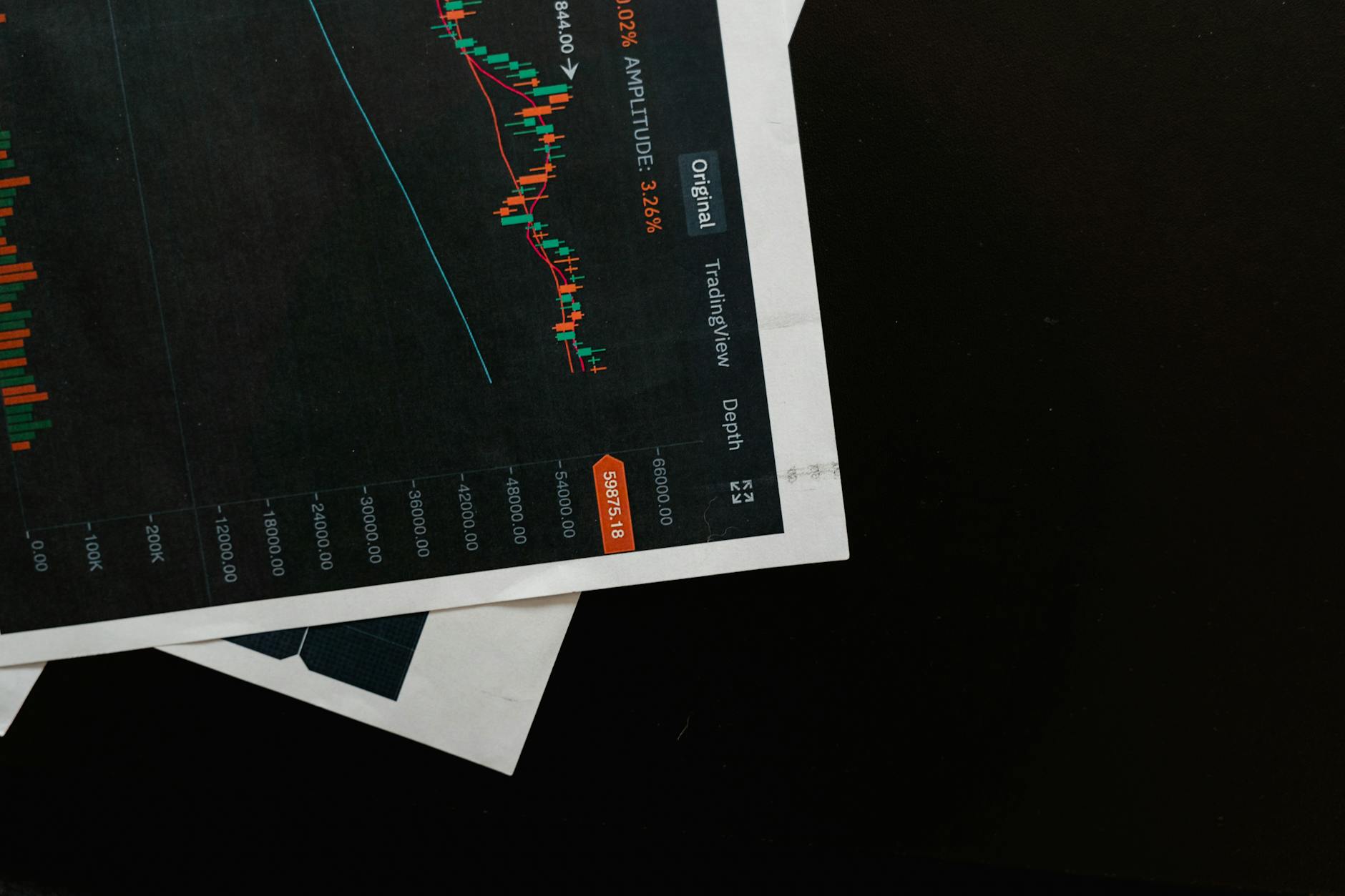
Financial markets have responded positively to news of the meeting, with investors viewing diplomatic engagement as preferable to escalating tensions. Currency fluctuations and commodity prices often reflect the state of U.S.-China relations, making successful dialogue economically important for both nations. Corporate leaders in both countries have privately urged their governments to maintain stable relationships regardless of third-party disputes.
Trade negotiators from both sides have been working to establish frameworks that could survive political disagreements. These efforts include mechanisms for resolving disputes without triggering broader economic retaliation, recognition that certain geopolitical differences may be irreconcilable, and agreements to compartmentalize economic cooperation from security concerns.
Regional Implications and Market Response
The Iran question extends beyond bilateral relations to affect broader Middle Eastern stability and energy markets. China’s position as a major energy consumer gives it significant influence over global oil prices, while American sanctions policy can dramatically alter supply chains and investment flows. Regional allies watch these interactions closely, understanding that U.S.-China cooperation or conflict shapes their own economic opportunities.
European partners have expressed concern about being caught between American sanctions enforcement and Chinese economic interests. Several European companies have faced difficult choices about whether to comply with U.S. restrictions or maintain profitable relationships with Chinese firms that trade with Iran. These dynamics create additional pressure for Washington and Beijing to find workable arrangements.
Market analysts note that prolonged disagreement over Iran could spill into other areas of economic cooperation, potentially affecting technology partnerships, infrastructure investments, and multilateral trade agreements. The interconnected nature of modern global commerce means that isolated disputes rarely remain contained to their original scope.
The meeting occurs against a backdrop of broader questions about great power competition and economic interdependence. Both Trump and Xi face domestic pressures to demonstrate strength while maintaining profitable relationships, creating complex calculations about when to compromise and when to hold firm. Whether they can successfully separate their Iran differences from other cooperative efforts will signal how U.S.-China relations evolve in an increasingly multipolar world where allies and adversaries often overlap.