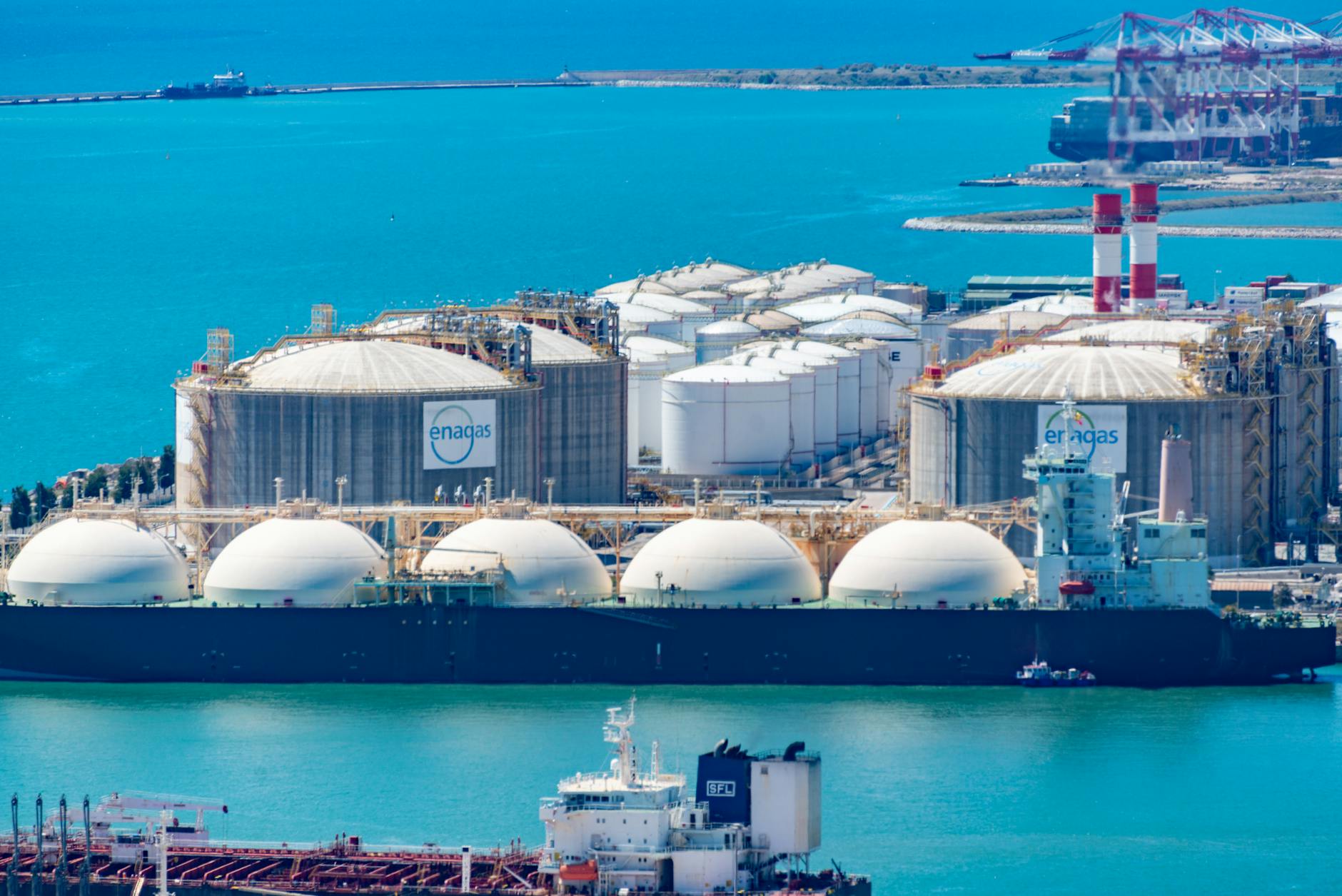



Maritime fuel supplies face mounting pressure as tensions in the Strait of Hormuz disrupt normal shipping operations. The strategic waterway, which handles roughly 20% of global petroleum liquids, has become increasingly difficult to navigate as Iran’s military presence escalates regional conflicts.
Ship operators report delays and route diversions that stretch fuel consumption beyond normal parameters. Vessels now burn additional bunker fuel while waiting for convoy clearances or taking longer alternative routes around the Arabian Peninsula.
Fuel Distribution Networks Under Strain
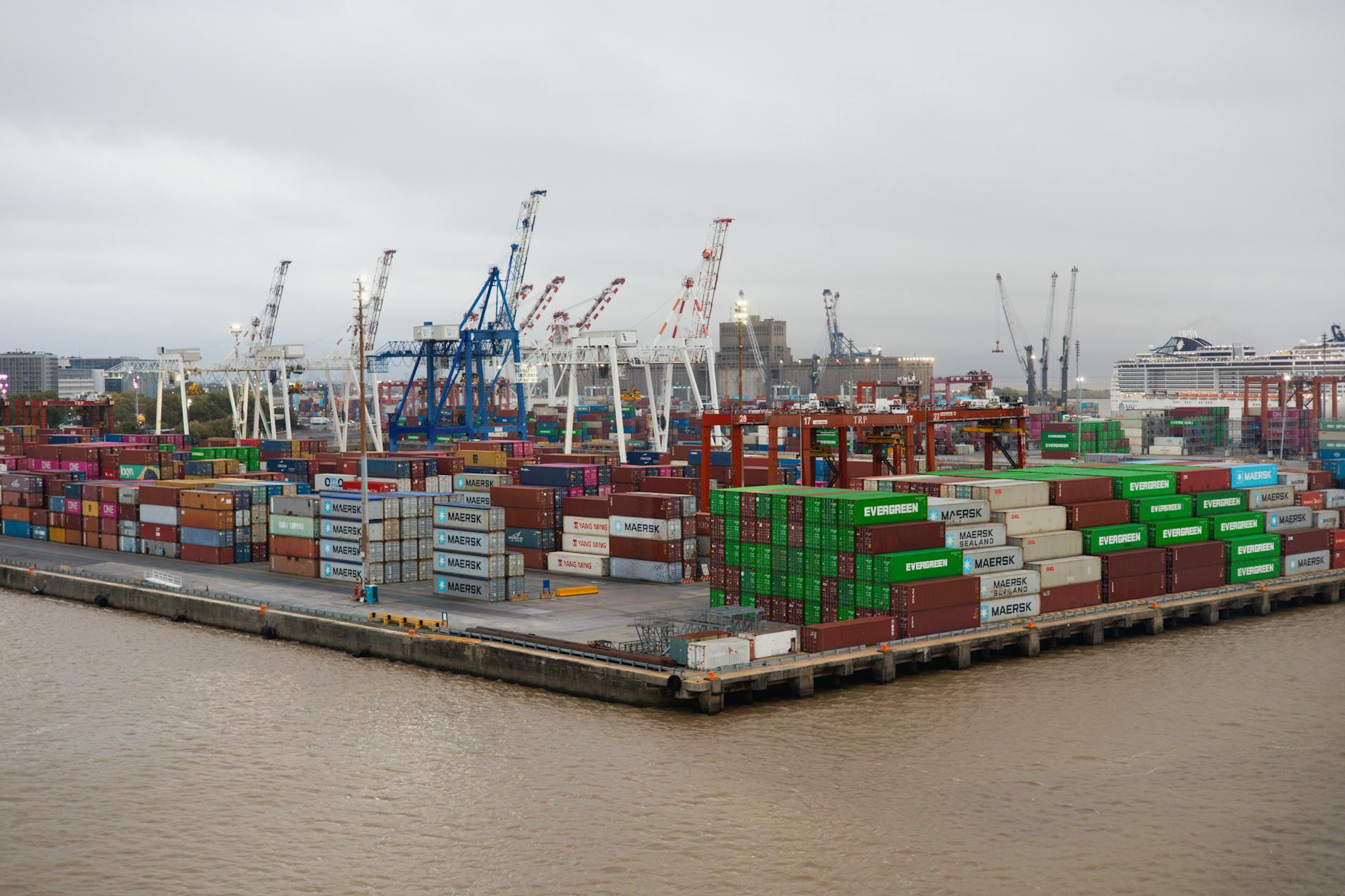
Bunker fuel suppliers traditionally rely on predictable shipping schedules to maintain inventory at major ports. The Strait of Hormuz disruption breaks this rhythm, creating mismatches between supply and demand across global refueling stations. Singapore, the world’s largest bunkering hub, reports irregular delivery patterns as ships arrive off-schedule.
Major shipping lines face a double burden: higher fuel consumption per voyage and reduced access to cost-effective fuel sources. Container ships that typically refuel in Dubai or other Persian Gulf ports now seek alternatives in Oman, India, or East Africa. These backup locations charge premium prices and often lack sufficient capacity for large-scale operations.
The shortage particularly affects vessels operating on tight margins. Bulk carriers and tankers, which depend on low-cost heavy fuel oil, find themselves competing for limited supplies at secondary ports. Some operators report fuel costs rising 15-20% above normal rates when accounting for both higher prices and increased consumption.
Alternative Routes Drain Reserves
Ships avoiding the Strait of Hormuz typically add 2,000 to 3,500 nautical miles to their journeys by sailing around Africa’s Cape of Good Hope. This detour increases voyage time by 10-14 days and fuel consumption by approximately 25-30%. The additional burn rate strains global fuel supplies as more ships compete for the same resources.
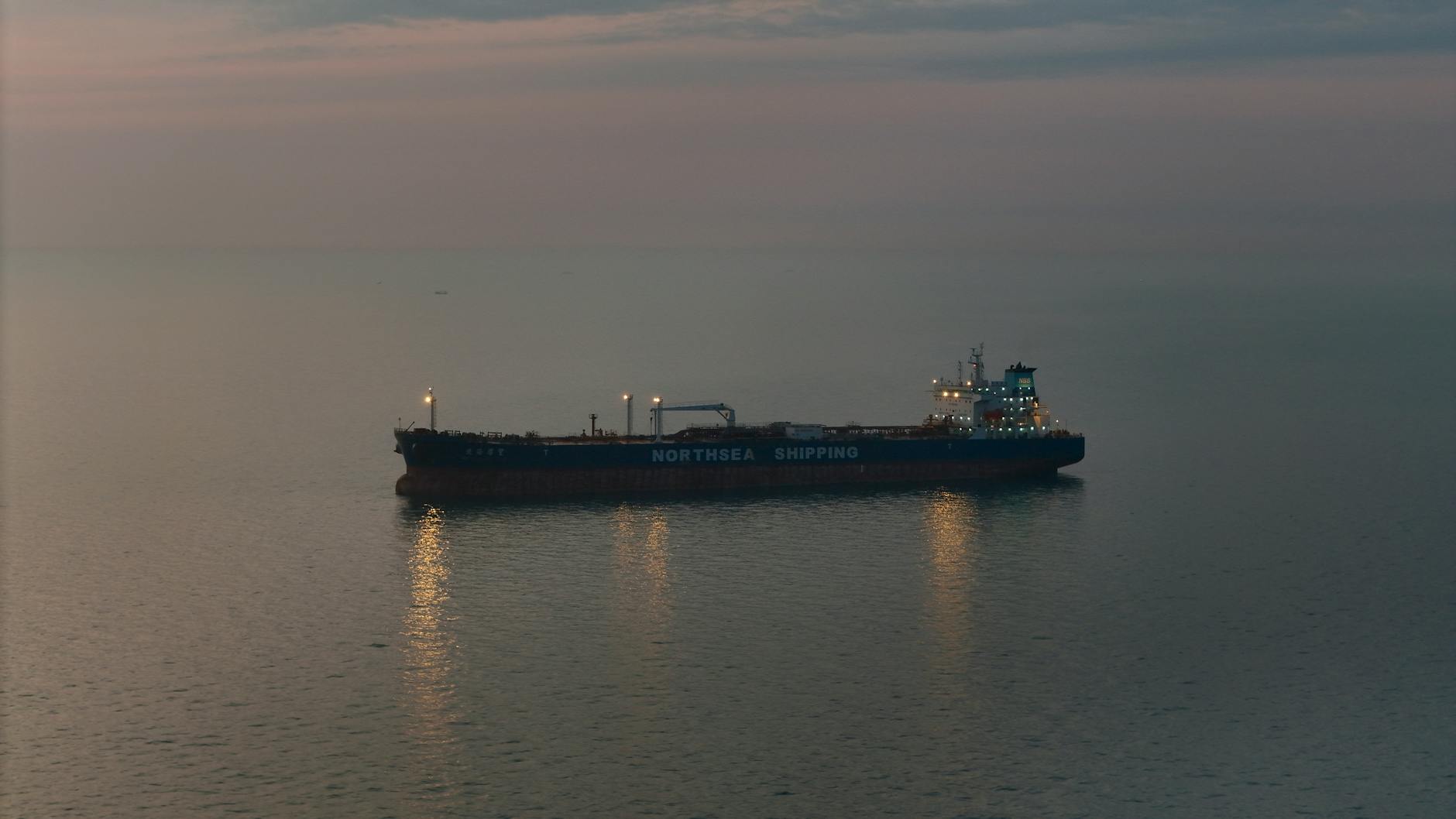
Refineries that produce marine fuel oil struggle to adjust production schedules quickly enough to meet shifting demand patterns. Unlike gasoline or diesel for land transportation, marine bunker fuel requires specific sulfur content and viscosity standards that limit production flexibility.
Industry Adapts to New Reality
Shipping companies implement emergency fuel management protocols, including speed reductions and route optimization software that factors real-time geopolitical risks. Some operators negotiate fuel hedging contracts to lock in prices, though these arrangements often come with significant premiums during periods of uncertainty.
Port authorities in Singapore, Rotterdam, and Fujairah work overtime to accommodate ships arriving outside normal schedules. Fuel barges and storage terminals operate extended hours, but physical infrastructure limits how quickly they can respond to sudden demand spikes. The coordination challenges multiply when multiple large vessels arrive simultaneously seeking emergency refueling.
Insurance costs compound the problem, as war risk premiums for Persian Gulf voyages reach levels not seen since the 1980s tanker wars. Higher insurance costs push more operators toward alternative routes, further intensifying competition for fuel at non-Gulf ports.
The fuel shortage reveals how quickly global trade networks can fragment when a single chokepoint faces disruption. Maritime fuel markets, designed for efficiency rather than resilience, now confront a stress test that could reshape how the industry plans future operations. Will shipping companies invest in larger fuel reserves, or will they simply pass higher costs to consumers who ultimately pay for everything that moves by sea?