


A Rough Open Looms for Wall Street
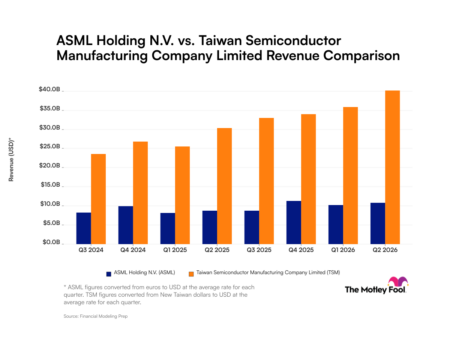
Stock futures pointed to a sharply lower open on Friday, with chipmakers bearing the brunt of a continued sell-off that showed little sign of stabilizing before the opening bell. The move extended losses already accumulating in the semiconductor space, putting broader index futures under pressure heading into what looked like a difficult session for equity markets.
At the same time, oil prices climbed after the United States struck Iranian infrastructure, injecting fresh geopolitical risk into markets already contending with volatile tech sentiment.
Two forces – one born from inside the market, one from foreign policy – landed on the same morning, compressing investor options and leaving few obvious places to hide.

Semiconductors Under Sustained Pressure
The chip sector’s decline wasn’t a single-session stumble. Shares continued falling, the word “continued” doing real work here – this is a slide that had already been underway, and Friday’s futures action suggested it wasn’t finished. Semiconductor stocks have an outsized influence on major indexes given their heavy weighting in the S&P 500 and Nasdaq, which means a sustained drop in chipmakers pulls index-level numbers down with them even when other sectors hold relatively steady.
The sharpness of the projected open mattered. Futures pointing to a sharply lower start signals that the selling pressure wasn’t marginal – it was enough to rattle the broader market’s footing going into the trading day. When futures decline steeply before the open, institutional traders often spend the first hour of the session deciding whether to absorb the move or add to it, and that uncertainty alone can extend volatility through the afternoon.
What’s driving the chip sell-off specifically wasn’t detailed in Friday morning’s data, but the pattern fits a broader dynamic that has played out repeatedly in 2025 and 2026: semiconductor stocks surge on AI-related optimism, then correct sharply when earnings, export restrictions, or supply chain updates fail to confirm the enthusiasm priced into shares. The sector has become one of the market’s most sensitive barometers – quick to rise on good news, quicker still to fall when the narrative shifts.
Oil Climbs on Iranian Strike News
While equity futures declined, oil prices moved in the opposite direction. The U.S. struck Iranian infrastructure, and energy markets responded immediately, with prices rising on the news. Oil tends to move fast on Middle East supply disruptions – or even the credible threat of them – because traders price in the possibility of reduced output before any actual barrels go missing.
Iran sits among the world’s significant oil producers, and any action targeting its infrastructure raises questions about supply routes, production capacity, and regional stability that ripple through crude pricing. Rising oil prices carry a secondary effect on equity markets: they lift energy stocks while simultaneously increasing cost pressure on manufacturers, airlines, and logistics companies – a mixed signal that adds another layer of complexity to an already stressed trading environment. For investors holding diversified positions, Friday’s setup offered the unusual scenario of watching one major asset class fall while another rose, with no clean read on which direction the day’s overall sentiment would resolve.
The timing – a Friday – mattered too. Traders heading into a weekend with unresolved geopolitical tension and a chip sector still searching for a floor tend to reduce risk exposure rather than add it. That behavior alone can amplify selling pressure in the final hours of the week, as portfolio managers square positions before two days of news flow they can’t react to in real time. For context on how similar market dynamics played out earlier this year, Wall Street’s rocky opening to the second half of 2026 showed how quickly overlapping pressures can reset investor positioning.

Where Friday Leaves the Week
A sharply lower open driven by chip stocks, layered over rising oil prices tied to U.S. military action against Iran – Friday, July 17, 2026 handed markets a complicated close to the week. Neither development offered easy resolution: semiconductor stocks don’t recover in a session, and geopolitical escalations rarely de-escalate on the same news cycle that created them. The open question isn’t whether the day would be rough, but how rough, and whether the selling in chips would finally find a level where buyers decided the discount was worth the risk.