


A Partial Recovery, and a Reopening With Conditions
Binance has told users it has restored asset backing for 90% of the holdings affected by its $6.3 billion hack, a significant step toward stabilizing the exchange after what ranks among the costliest security breaches in cryptocurrency history. The company is now planning to resume withdrawals, though it has attached a condition that should give customers pause: security checks must first clear before the doors reopen.
The planned resumption is targeted for Sunday.
For an exchange that processes billions in daily volume and serves retail investors alongside institutional clients, the stakes of getting this reopening wrong are high. A botched restart – or a second breach – would almost certainly accelerate the flight of users to competing platforms that have spent the past week quietly positioning themselves as safer alternatives. Binance’s leadership knows this, which explains why the company is moving deliberately rather than fast.

What 90% Actually Means for Customers
The 90% figure sounds reassuring on its surface, but it leaves a meaningful gap. On $6.3 billion in affected assets, 10% unaccounted for translates to roughly $630 million still without confirmed backing. Binance has not publicly detailed where that shortfall sits – whether it falls on a specific asset class, a subset of user accounts, or represents funds still being traced through blockchain forensics. That silence matters to customers trying to assess whether their own holdings are in the covered majority or the uncovered remainder.
Asset “backing” in this context means Binance has either recovered the stolen funds, replaced them using reserves, or secured equivalent collateral to make users whole. Exchanges typically draw on emergency reserve funds – sometimes called SAFU funds, in Binance’s case – to cover losses when recovery of actual stolen assets stalls. Whether that reserve has been partially or fully tapped here has not been confirmed by the company.
The exchange’s decision to announce a specific day for withdrawal resumption, rather than a vague timeline, signals confidence that the internal security review is close to completion. Still, Sunday’s reopening remains conditional. If the security audit surfaces new vulnerabilities or unresolved exposure, that date shifts – and Binance will face another difficult conversation with a user base already frayed by the original breach.
The Broader Fallout Still Taking Shape
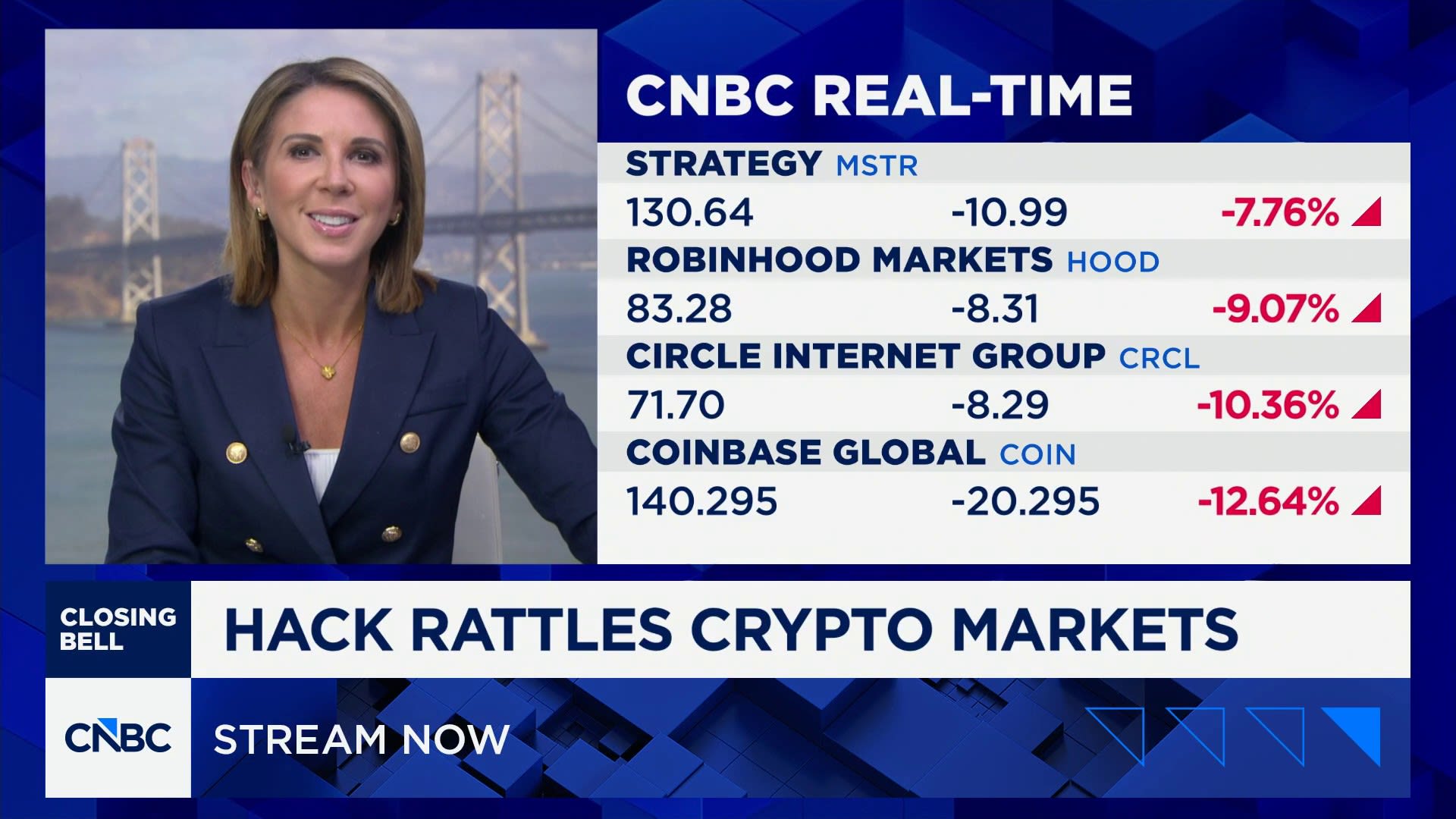
Hacks of this magnitude do not end when withdrawals reopen. The regulatory pressure that follows tends to outlast the immediate crisis by months, sometimes years. Binance was already navigating a complicated relationship with financial regulators in multiple jurisdictions before this breach, and a $6.3 billion security failure gives those regulators fresh standing to demand operational audits, stricter custody standards, and more aggressive capital reserve requirements.
User trust, meanwhile, is not repaired by a press release. The customers who stayed through the withdrawal freeze watched their funds become inaccessible for days – an experience that no coverage announcement fully neutralizes. Some portion of that user base will withdraw their assets the moment Sunday’s window opens and move them to cold storage or competing platforms. How large that outflow becomes will be one of the cleaner signals of how permanently this event has damaged Binance’s standing.
The cryptocurrency industry has absorbed major exchange failures before – Mt. Gox being the most instructive case – and in each instance, the fallout reshaped how custody, insurance, and reserve transparency were discussed across the sector. Binance’s recovery narrative, if it holds together, could actually serve as a model that regulators point to when drafting new standards. If it fractures – if that remaining 10% proves harder to resolve than the company has implied – the conversation shifts entirely.

Binance has not said publicly what triggered the initial breach, how long the attacker had access before detection, or whether any individuals have been identified in connection with the theft. Those details, whenever they emerge, will fill in the parts of this story that a 90% coverage number cannot.