


President Donald Trump departs for Beijing this week to meet with President Xi Jinping, with economic pressure on Iran taking center stage in the discussions. The administration seeks Chinese cooperation in compelling Iran to reopen the Strait of Hormuz, a waterway that handles roughly 20% of global oil transit.
The timing reflects Washington’s strategy of using economic diplomacy to address Middle Eastern tensions.
Trade relations between the world’s two largest economies now intersect directly with geopolitical crises, as Trump looks to Beijing’s substantial economic ties with Tehran to influence Iranian behavior. China remains Iran’s largest trading partner despite international sanctions.

Economic Dimensions of Diplomatic Pressure
China’s economic relationship with Iran creates both opportunity and complexity for American negotiators. Beijing purchases significant quantities of Iranian oil and maintains extensive trade connections that give it considerable influence over Tehran’s decision-making. The Chinese government has historically resisted using economic leverage as a foreign policy tool, preferring to separate commercial relationships from political disputes.
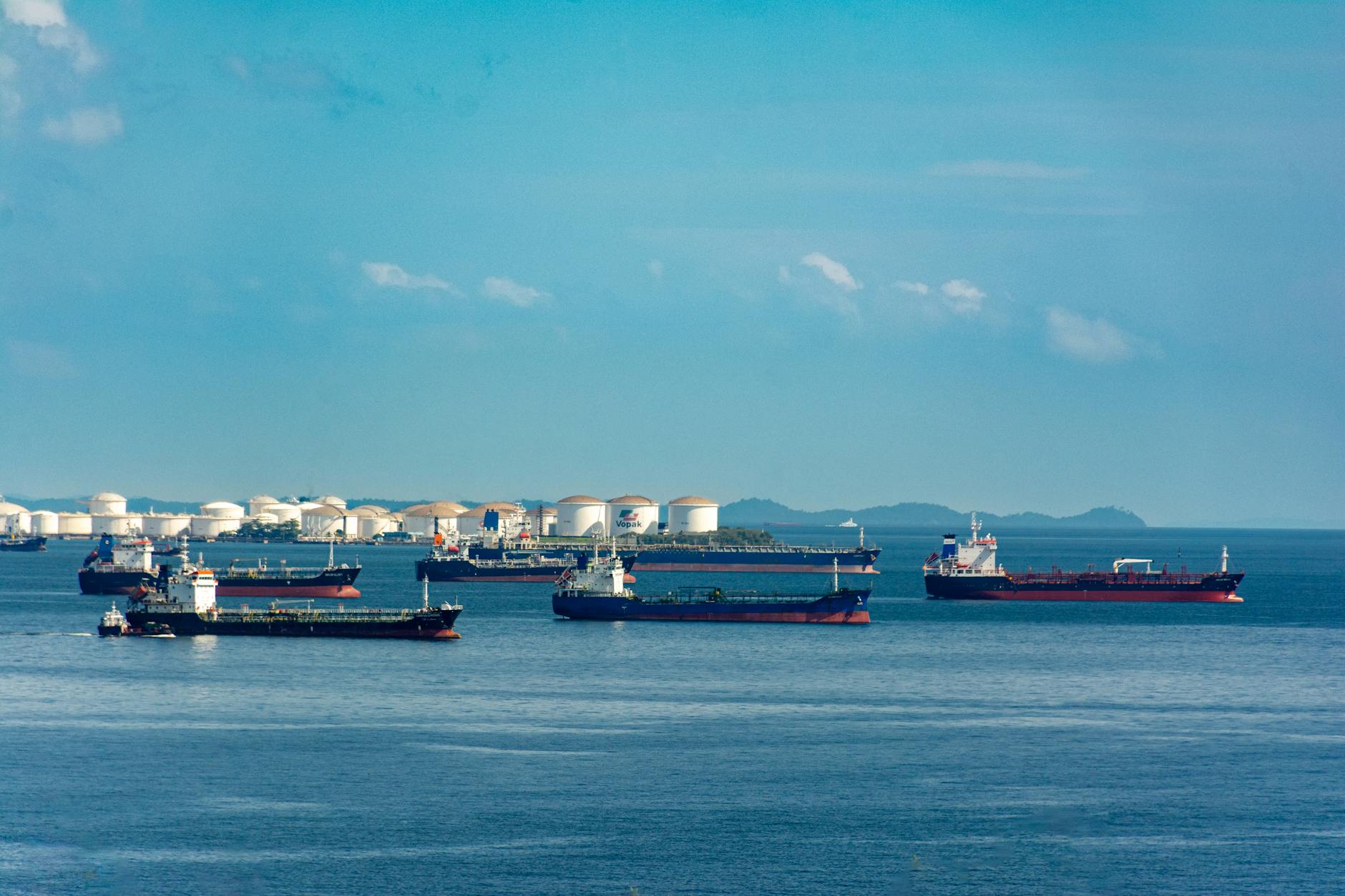
The Strait of Hormuz closure threatens global energy markets and supply chains that extend far beyond the Middle East. Approximately one-fifth of the world’s petroleum liquids pass through this narrow waterway, making its accessibility vital to international commerce. Any disruption sends immediate shockwaves through commodity markets and affects transportation costs worldwide.
Trump’s approach combines direct diplomatic engagement with economic incentives, recognizing that China’s cooperation could prove more effective than unilateral American pressure. The administration has previously used trade negotiations as leverage for broader foreign policy objectives, and this Beijing visit follows that established pattern. Chinese officials have shown willingness to discuss regional stability when it aligns with their economic interests.
Strategic Calculations Behind the Summit
The president’s trip occurs against a backdrop of ongoing trade negotiations that have created both tension and opportunity between Washington and Beijing. Previous discussions have demonstrated China’s sensitivity to economic stability in regions where it maintains significant commercial interests. Iran represents one such area where Chinese investments and energy purchases create natural leverage points.
Xi Jinping faces his own domestic economic pressures that may influence his willingness to cooperate on Iran policy. China’s economy has experienced slower growth in recent quarters, making stable energy supplies and regional security increasingly important for Beijing’s long-term planning. The government has invested heavily in Belt and Road Initiative projects that depend on stable shipping lanes and predictable energy costs.
American officials have structured the Beijing agenda to emphasize mutual economic benefits of regional stability rather than confrontational demands. This approach recognizes China’s preference for win-win scenarios over zero-sum diplomatic pressure. The discussions will likely focus on how Iranian cooperation serves Chinese commercial interests as much as American strategic goals.

The success of these talks may ultimately depend on whether both leaders can identify economic incentives that outweigh the costs of applying pressure on Iran. Beijing’s response will signal how willing China is to use its economic influence for broader geopolitical purposes-a question that extends far beyond this single crisis.