

Blockade Holds, but Regional Skies Stay Active
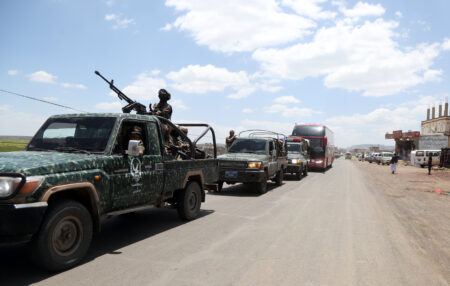
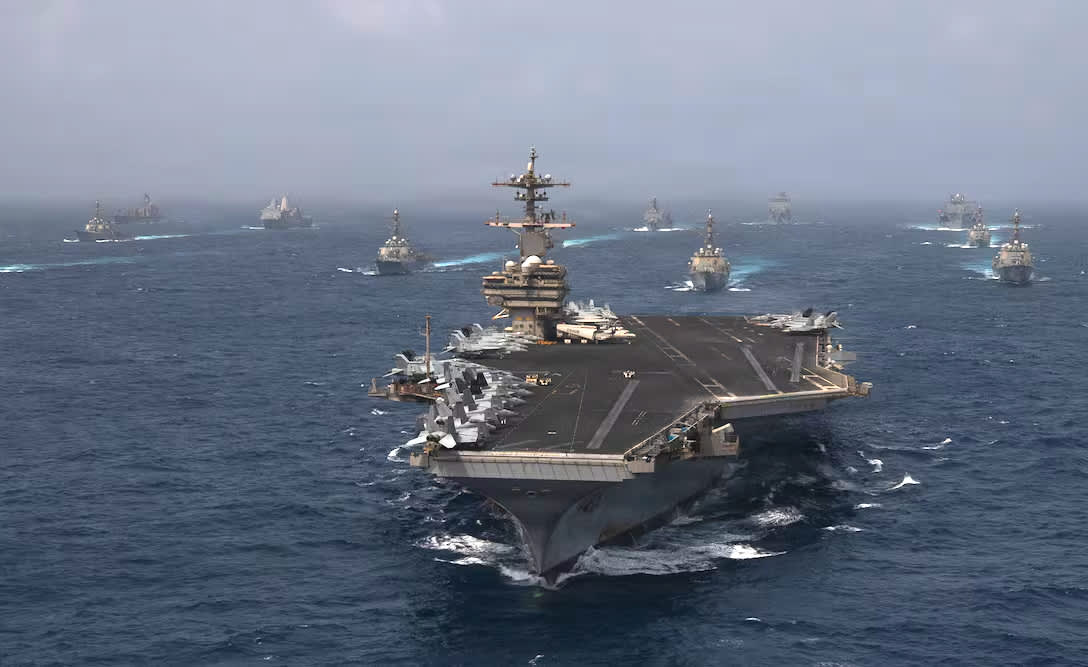
U.S. Central Command has confirmed the completion of its latest round of strikes against Iran, while simultaneously maintaining a naval blockade that continues to choke Iranian maritime access. The operation marks another escalation in an ongoing military campaign that is already reshaping commercial shipping routes through some of the world’s most trafficked waterways.
Kuwait and Bahrain both reported intercepting Iranian projectiles in the hours surrounding the strikes – a sign that the conflict is generating active air-defense responses across multiple Gulf states, not just from the primary combatants. Shipping disruptions are continuing as a direct result.
What a Naval Blockade Actually Does to Trade
A naval blockade against Iran is not an abstraction for commodity markets. Iran sits at the edge of the Strait of Hormuz, the narrow passage through which roughly 20 percent of the world’s oil supply moves on any given day. When U.S. Central Command says it is enforcing a blockade, the practical effect is that vessels – tankers, cargo ships, and commercial freight – face heightened risk, longer detour routes, and sharply elevated insurance premiums the moment they enter the region.
The blockade, combined with active missile interceptions by Kuwait and Bahrain, means the conflict has spread well beyond Iranian and American forces. Gulf Cooperation Council members are now operationally involved in air defense, which adds another layer of uncertainty for carriers and port operators trying to assess daily transit risk. Every interception represents a near-miss for civilian infrastructure in densely trafficked maritime corridors.
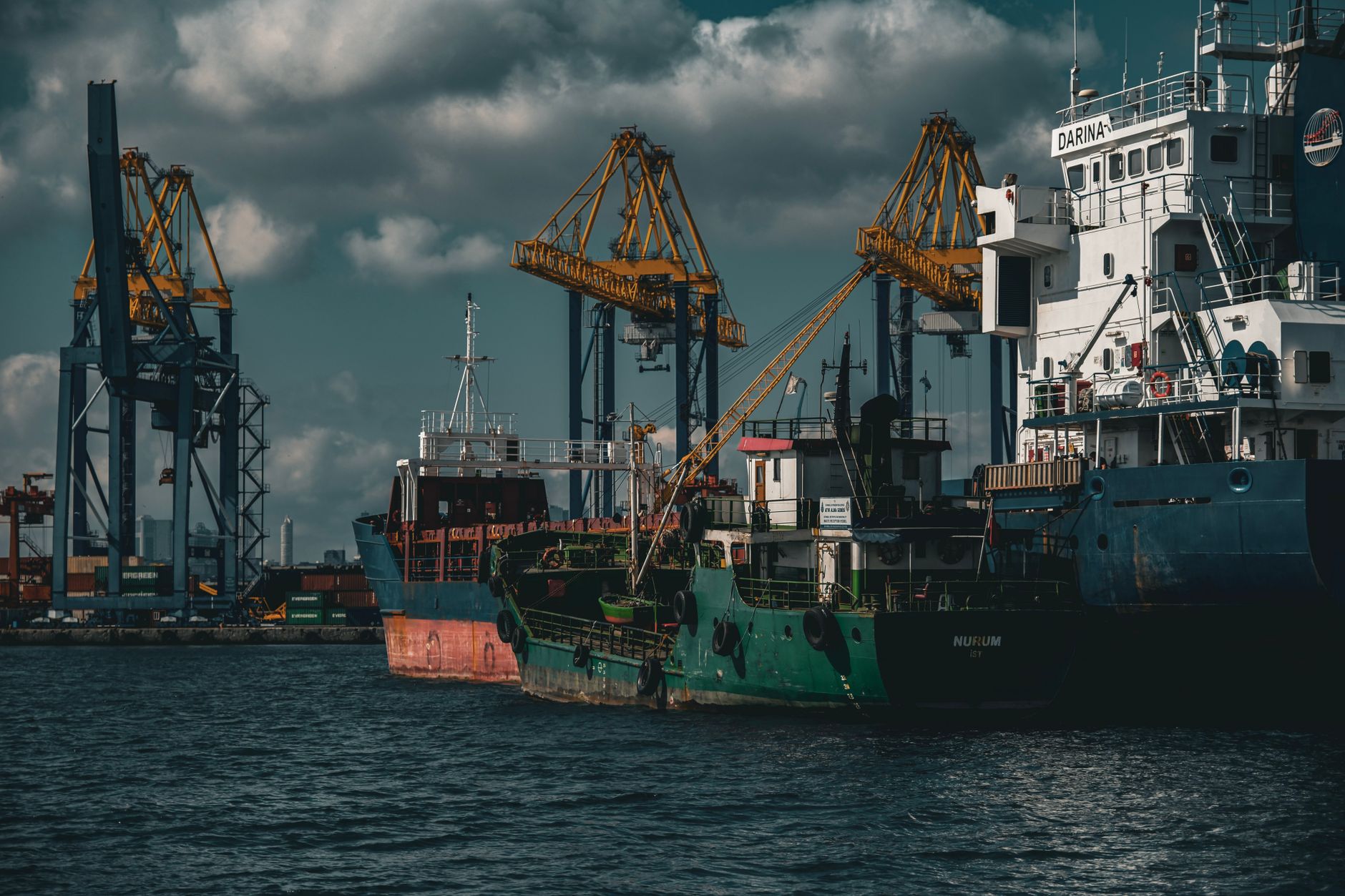
Shipping companies have been rerouting vessels around the Arabian Peninsula and through alternative corridors since the conflict intensified, adding days to transit times and significant fuel costs to already strained supply chains. Those added costs flow downstream – into freight rates, into commodity prices, and eventually into consumer goods that depend on components or materials sourced from Asian suppliers. The disruption is not theoretical; it is already priced into spot freight markets.
War risk insurance surcharges in the Persian Gulf have climbed steadily since the opening weeks of the conflict. Underwriters are factoring in not just the probability of a vessel being struck, but the cascading liability if a tanker carrying crude or liquefied natural gas is damaged in a military exchange. That exposure has made some insurers reluctant to write new policies without premiums that effectively double baseline rates – a cost that ultimately lands on exporters, importers, and end consumers.
Gulf States in the Air-Defense Loop
Kuwait and Bahrain intercepting Iranian projectiles is a significant operational detail. Both countries host major U.S. military installations, and their air-defense systems are integrated with broader American command structures in the region. An interception by either country is, in practical terms, an act of direct military engagement with Iran – even if the political framing stops short of a formal declaration of war.
For businesses operating in Kuwait and Bahrain – including financial institutions, energy companies, and logistics operators – that degree of active engagement introduces sovereign risk calculations that were not present even a year ago. Bahrain, which hosts the U.S. Navy’s Fifth Fleet, has long been considered one of the more stable commercial hubs in the Gulf. Active missile interceptions over or near its territory change that risk profile in ways that credit rating agencies and corporate treasury departments will need to address.
Energy Markets Are Watching Every Strike Confirmation
Each confirmed round of U.S. strikes against Iran, followed by acknowledgment from U.S. Central Command, functions as a market event in addition to a military one. Oil traders, currency desks, and sovereign bond markets in the region respond to these confirmations in real time. The pattern has become familiar: confirmation of strikes triggers a brief spike in crude prices, followed by a partial retreat as markets assess whether Iranian export capacity has been directly affected.
Iran’s petroleum infrastructure – refineries, export terminals, and pipeline networks – has so far remained the subject of speculation rather than confirmed targeting in official statements. U.S. Central Command’s language around the latest strikes focuses on enforcement of the naval blockade rather than destruction of energy assets. That distinction matters to traders: a blockade limits what Iran can export, but it does not destroy production capacity that could eventually come back online.
The oil cushion available to global markets to absorb a prolonged Iranian supply disruption has already been significantly drawn down. Strategic reserves that once provided months of buffer have contracted sharply, leaving markets more exposed to each new development in the conflict than they would have been at its outset. Whether the blockade holds, expands, or encounters a serious challenge from Iranian naval forces in the coming weeks may determine how much further that exposure grows.

The next pressure point is whether Gulf port operators in Kuwait and Bahrain begin reporting operational slowdowns at commercial terminals as air-defense activity intensifies overhead – a disruption that would move this conflict from a shipping lane problem into a port infrastructure problem.